The Zero-Waste Universe: Why Nature Doesn't Believe in Endings
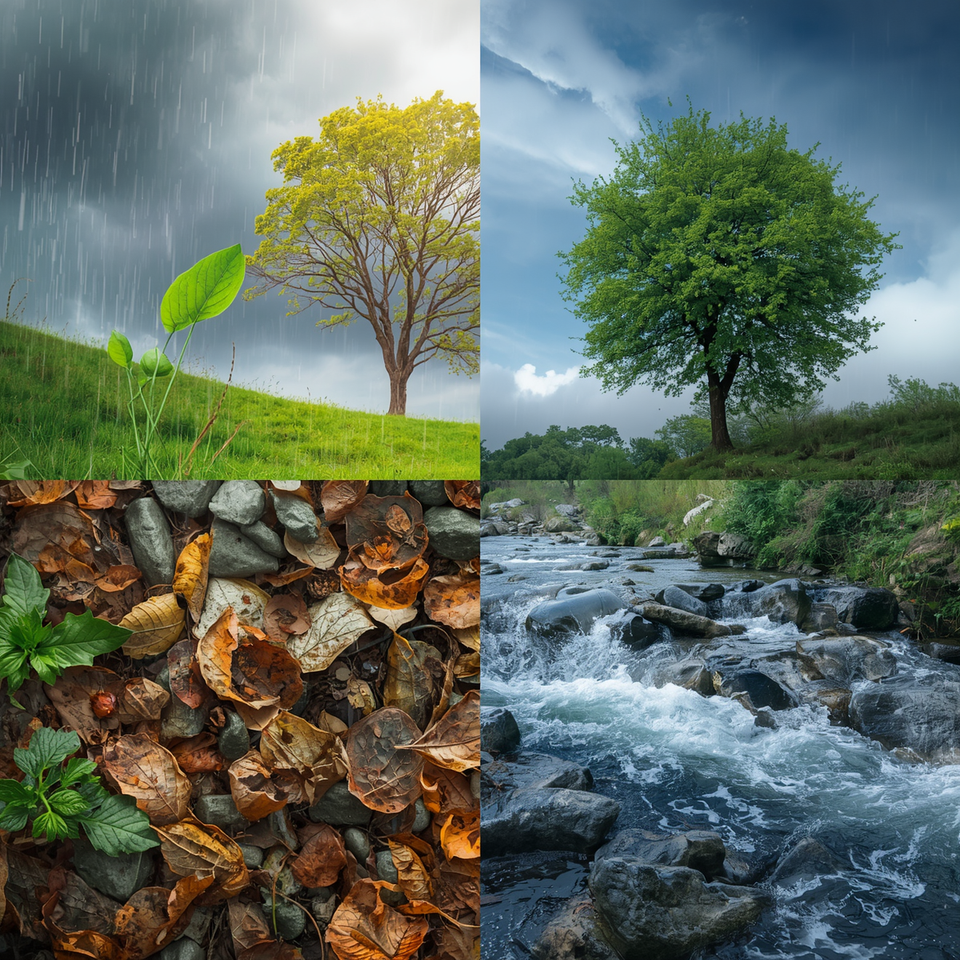
It is incredibly easy to look at the current state of our world and conclude that we are caught in a downward spiral. The news feeds are dominated by division, hatred, and the rigid finality of death. If we limit our perception to the physicalist headlines, we risk being corralled into a state of chronic despair—convinced that everything is breaking down, and that the breakdown is permanent.
But when the human noise becomes too loud, we only need to look down at the dirt beneath our feet to find a completely different narrative.
Nature does not know how to waste.
The Law of the Forest Floor
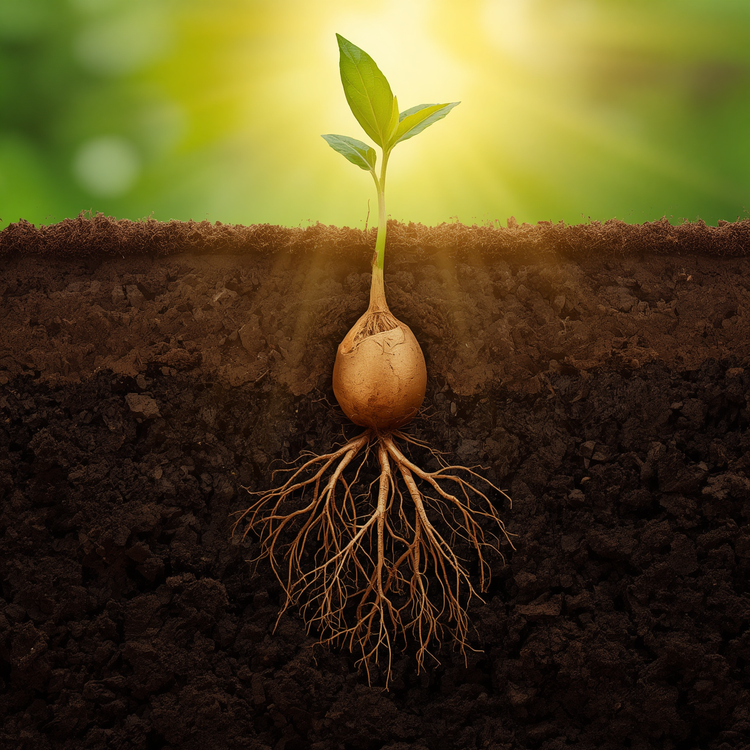
If you walk out into the woods, you will find a highly sophisticated, perfectly efficient, waste-free organism. A fallen leaf is not trash; it is tomorrow’s topsoil. An ancient tree collapsing into the brush is not a tragic end; it is a nurse log, fueling the sudden emergence of fresh ferns, mosses, and hidden mycelial networks. Nature continuously, stubbornly, and beautifully renews herself over and over again. Every output becomes a fresh input. Nothing is cast away. Nothing is lost.
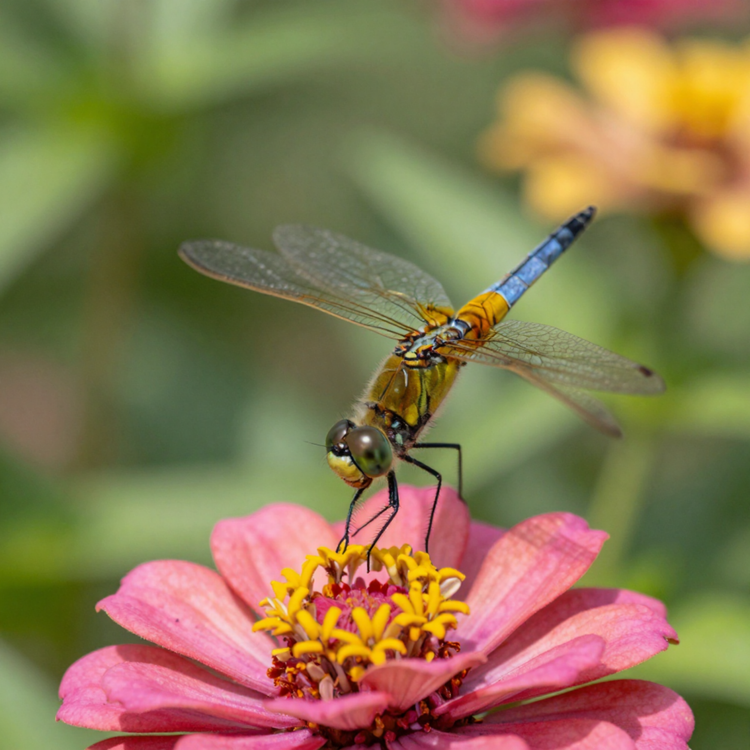
Our physical bodies mimic this master design on a microcosmic scale. Every second, millions of our cells die so that new ones can be born. We breathe in what the trees exhale; they absorb what we release. We are inextricably linked to the larger family of Earth, bound by identical cyclical laws.
Eventually, cellular senescence—the natural slowdown of our biological systems—takes over, and our temporary vehicle stops running. The physicalist look at this moment and declare: An ending. Total expiration.
But how can an ending exist in a universe that doesn't understand the concept of waste?
Beyond the Biomechanical Bound
If nature treats physical matter with such meticulous reverence, recycling every atom into a new expression of life, why do we assume she treats human consciousness like disposable packaging?
Our biological life space is finite, yes. The vehicle wears out. But our cycles mimic the grander macrocosm, demonstrating that we are an active part of the All. Change is nature’s specialty. She introduces winter not to kill the garden, but to prepare it for something better.
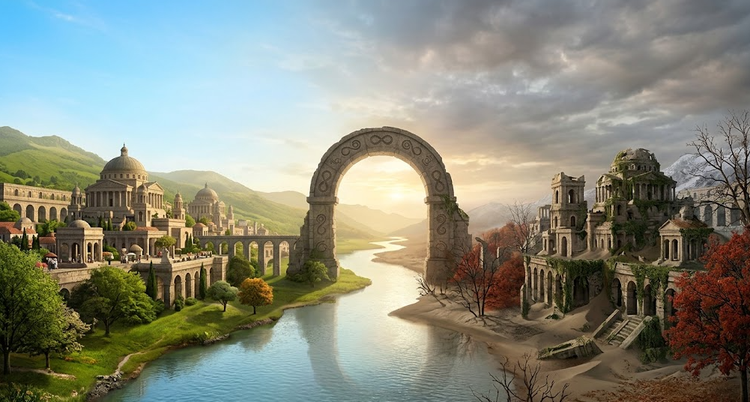
The hate, the death, and the chaos we see in the human sphere today are the clumsy friction of a culture functioning with a limited worldview. It is a temporary state, not a permanent destination. We are on a course for a grander horizon—one that easily stretches past the boundaries of our localized, biomechanical frames.
Becoming Good Ancestors
If we want to pull ourselves out of the collective anxiety of our era and truly catch a glimpse of this continuation, we have to start changing how we live today. We must learn to be good ancestors.
Being a good ancestor means recognizing that we are authors of an unfinished project. It means planting trees under whose shade we know we will never sit, and broadcasting seeds of hope and reconciliation into a cultural soil that feels rocky right now. We do this not for our own immediate gratification, but because we remember our connection to the infinite chain of being.
You are not a detached observer dropped onto a dying planet. You are an expression of an eternal, self-renewing whole. Walk through the noise of this world with the quiet confidence of the forest floor—knowing that what looks like a breakdown is simply the groundwork for a spectacular rebirth.