The Hidden Mourning: Why Our Culture of "Othering" is Fueling Collective Grief
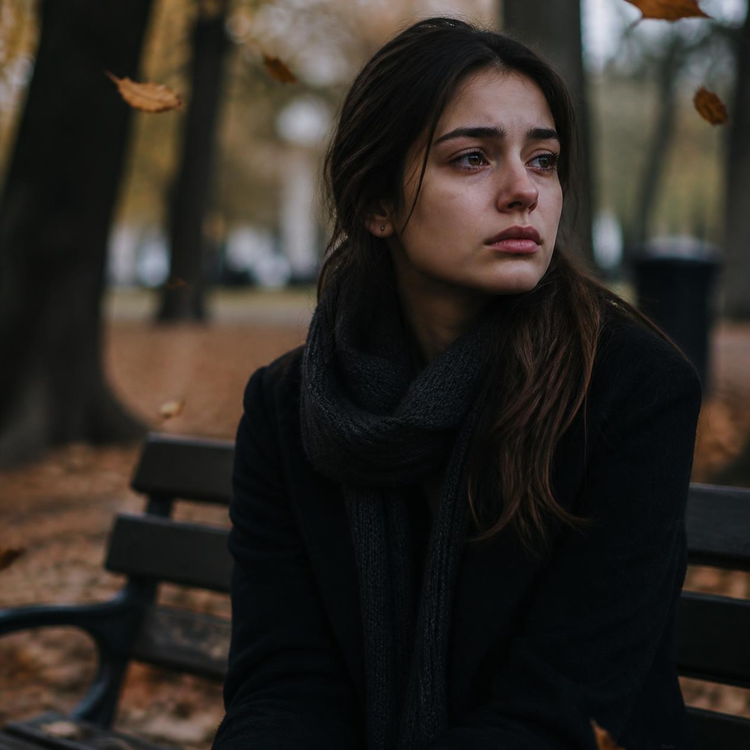
We tend to speak of grief as a solitary shadow, a heavy cloak we wear only when we lose someone to death. We treat it as a private event with a clear starting line. But if you look closely at the world right now, you will see a different kind of mourning quietly stretching across our communities.
People are grieving in waves. They are grieving the sudden emptiness of lost jobs, the quiet fracture of failed marriages, the stinging silence of broken friendships, and the uprooting of lost homes. There is an undeniable weight in the air—a collective sadness that we can all feel, even if we don’t always have the words for it.
Yet, alongside this profound sadness, a strange and defensive reaction has taken root.
Scroll through any social media feed or listen to casual conversations, and you will quickly find a fierce resistance to connection. We see declarations like, "I have no desire to find common ground with these people," or "I hate anyone who thinks like [X]."
It is a striking paradox. We stand amidst the ruins of our collective peace, weeping over our personal isolation, while simultaneously throwing bricks at the people across the fence. We engage in "othering" to such an extreme that we are actively dismantling the very thing that could save us: community.
It feels like a tragic, self-fulfilling prophecy. How can we bemoan our own grief and anxiety when we are the ones fueling the discontinuity? We offer judgment and hostility to our fellow humans, and then express shock when the world feels hostile and fragmented.
The truth we are avoiding is that the death of community is the root of so much of our modern sorrow.
Until we make the conscious, radical decision to offer kindness and humility to our fellow humans—especially when it is uncomfortable, especially when we disagree—we will never fully realize freedom from our own grief and fear.
True freedom requires us to step into a deeper understanding: the profound reality of oneness. Life, in all its messy, diverse, and vibrant forms, is interconnected. When we wound another person through hate or exclusion, we are ultimately tearing at the fabric of our own well-being.
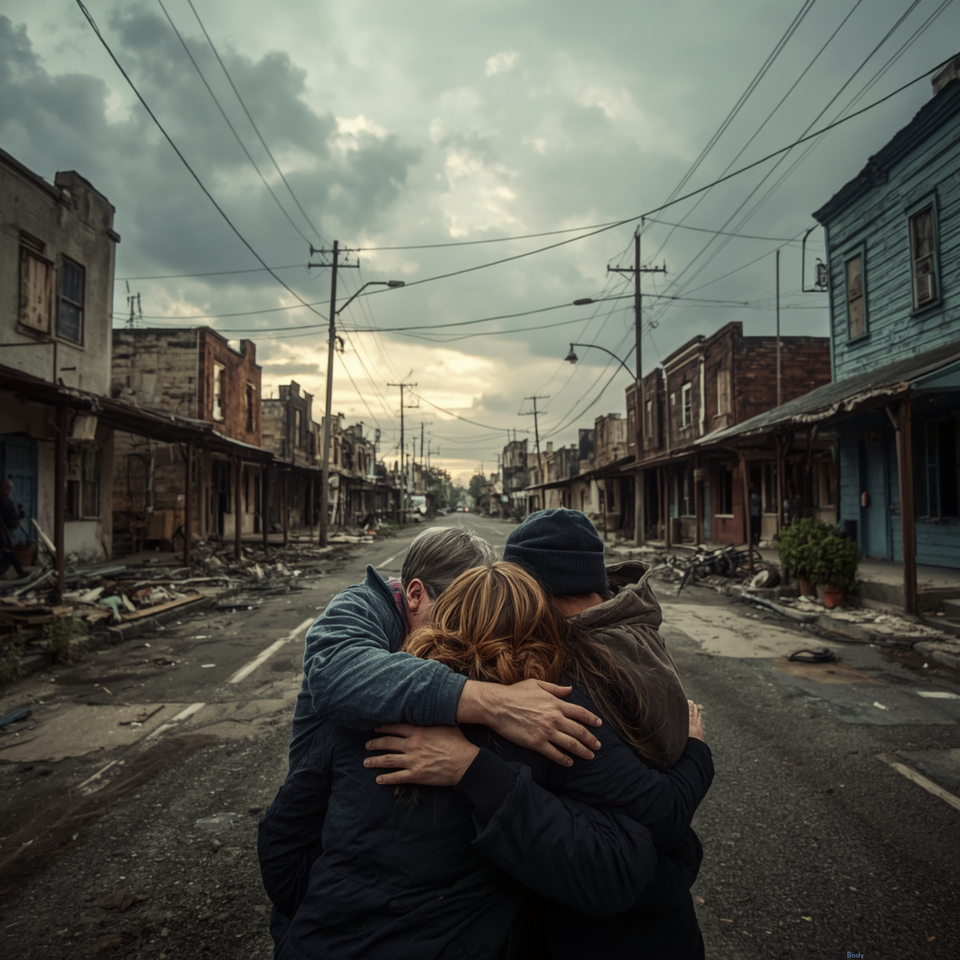
Healing our collective grief won't come from winning arguments or drawing harder lines in the sand. It begins when we have the courage to lower our shields, look past the labels, and recognize that the person on the other side is just as fragile, and just as worthy of grace, as we are.
If we want to live in a world free from the grip of fear and scarcity, we have to start building it from the inside out. What wall are you willing to dismantle in your own life to let community back in?